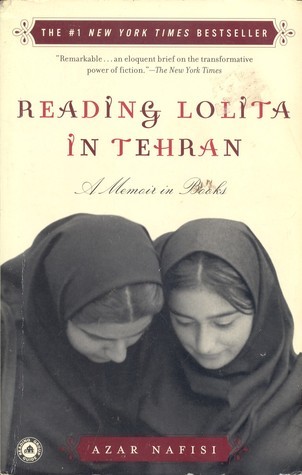
Reading Lolita in Tehran: A Memoir in Books
Azar Nafisi
We may earn a commission on purchases — at no cost to you. As an Amazon Associate we earn from qualifying purchases. Disclosure.
Reading Lolita in Tehran is Azar Nafisi's memoir about teaching banned Western literature to female students in Tehran during and after the Iranian Revolution, exploring how literature provides freedom and connection despite oppression.
- 1Nafisi is an Iranian professor forced to leave her university position.
- 2She begins teaching banned Western novels to a small group of female students in her home.
- 3The group reads and discusses novels including Lolita, Pride and Prejudice, Gatsby and others.
- 4The act of reading banned literature becomes an act of resistance against the regime.
- 5The novel explores how literature creates community and freedom.
- 6Nafisi's memoir is ultimately an affirmation of the power of reading and imagination.
Key ideas
Literature as resistance
Reading banned Western literature becomes an act of political and personal resistance.
The power of imagination
Imagination and literature offer freedom that cannot be suppressed by external forces.
Community through reading
The students form a deep community through shared reading and discussion.
Women's voices
Nafisi and her students use literature to reclaim agency and express themselves.
The personal and political
Personal stories and political reality are intertwined in the narrative.
Cultural exchange
Western literature connects Iranian women to a wider world of ideas and imagination.
Who is it for?
Readers interested in memoirs about the Iranian Revolution, in the power of literature, and in women's resistance will find this profound and moving. It suits anyone interested in how reading shapes identity and community.
Full summary
Nafisi is a professor of English literature in Tehran who is forced from her university position.
She begins teaching banned Western novels to a small group of female students in her home.
The group reads and discusses works including Nabokov's Lolita, Austen's Pride and Prejudice and Fitzgerald's The Great Gatsby.
Through these novels, Nafisi and her students explore themes of freedom, identity and resistance.
The act of reading banned literature becomes a form of rebellion against the oppressive regime.
Nafisi traces how the students grow and develop through their engagement with literature.
She also incorporates her own life story and her family's experiences during the revolution.
Nafisi concludes with reflection on the transformative power of reading and imagination.