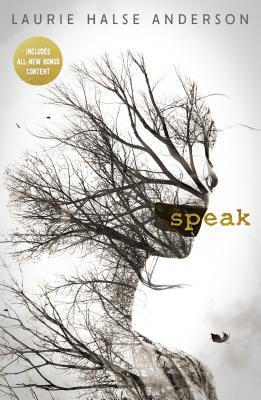
Speak
Laurie Halse Anderson
We may earn a commission on purchases — at no cost to you. As an Amazon Associate we earn from qualifying purchases. Disclosure.
Speak is Laurie Halse Anderson's young adult novel about Melinda Sordino, a high school freshman struggling with selective mutism after calling the police during a party, and her journey toward finding her voice.
- 1Melinda is a freshman who called the police during a party.
- 2She is ostracised by her peers for the call.
- 3Melinda becomes mute, unable to speak despite attempts to communicate.
- 4The novel explores why Melinda stopped speaking.
- 5Through art class and connection with others, Melinda begins to find her voice.
- 6The novel addresses trauma, shame and recovery.
Key ideas
Silence and voice
Melinda's silence is both a symptom of trauma and a form of resistance.
Trauma and shame
Anderson portrays how trauma and shame silence people.
Peer isolation
Melinda is isolated and ostracised despite being a victim.
Art as expression
Creating art becomes Melinda's way of expressing what she cannot say.
Recovery and voice
Finding one's voice requires facing trauma and shame.
Misunderstanding and judgment
People judge Melinda without understanding her circumstances.
Who is it for?
Readers interested in YA fiction about trauma and recovery will find this powerful. It suits anyone interested in how art can express what words cannot and in how people find their voices.
Full summary
Melinda Sordino is a high school freshman who called the police during a party.
Her peers discover this and ostracise her, making her a social pariah.
Melinda stops speaking, unable or unwilling to explain her actions.
The novel traces Melinda's freshman year through art and observation.
In art class, Melinda finds a way to express herself through visual creation.
A caring teacher recognises Melinda's trauma and offers support.
Melinda gradually discovers why she stopped speaking and what happened.
The novel ends with Melinda finding her voice and beginning to speak again.